Showing posts with label way back wednesday. Show all posts

Wednesday, November 2, 2011

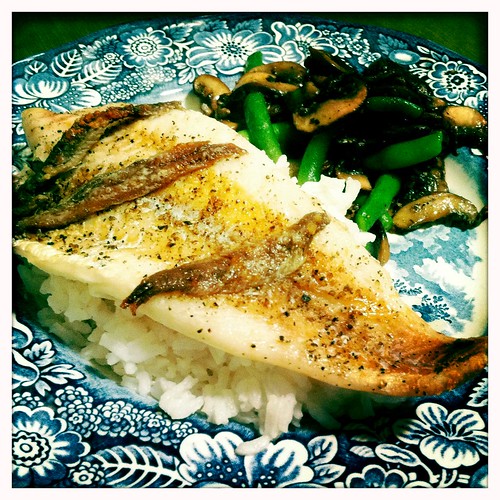
Way Back Wednesday: 17th Century Mustard-and-Anchovy Broiled Fish

Mustard Anchovy Fish

This recipe is from the "17th-Century England" chapter in Esther B. Aresty's The Delectable Past, which was recommended to me by Susan at The Well-Seasoned Cook. As usual, I've used cheap, domestic, sustainable Pollock. I've gotten to the point where I almost always have some in the freezer. It defrosts quickly and cooks quickly, which is perfect. Once thawed, this dish only takes about 10 minutes of cooking. I served it with rice and sautéed mushrooms and green beans (I grew the green beans myself!).

Wednesday, October 5, 2011

Way Back Wednesday: Forks are for Fricassées

Clockwise from top: Fricassée close-up, Fricassée served with a green salad and chardonnay, vegetables cooking, parsley from my garden


Thomas Coryate brought the fork from Italy to England in 1608. At first, they were rejected as "effeminate" and "unnecessary," but the wealthy soon adopted them as a status symbol, buying forks made with expensive materials to impress their guests.* The fricassée, a French invention that became popular in England, was tailor-made for these newly fashionable forks. Neither knives nor spoons are required, meaning that cooking fricassées encouraged using forks and vice versa.**

Wednesday, September 28, 2011

Way Back Wednesday: Spiced Pears with Cream


In The Cook's Guide (1664), Hannah Woolley gives instructions "To stew Pippins with cream:"

Take your Pippins, pare them and core them; if you would have them red, bake them first, or else put to them as much water as will cover them and some cinnamon and cloves unbeaten; turn them sometimes and cover them close; set them over the fire till they begin to be tender, then sweeten them with sugar; and boile them when the sugar is in till they are clear, then put sweet cream to them, and let them stew together till you find they be enough; thus you may do with baked pears (58-59).

I decided that baking the pears in a spiced sugar syrup and then pouring the cream over would give better results after attempting to follow Hannah Woolley's instructions, which ended in curdled cream, which wasn't terribly attractive. However, the pears were so tasty I thought it worth my time to rework the recipe:

Wednesday, September 14, 2011

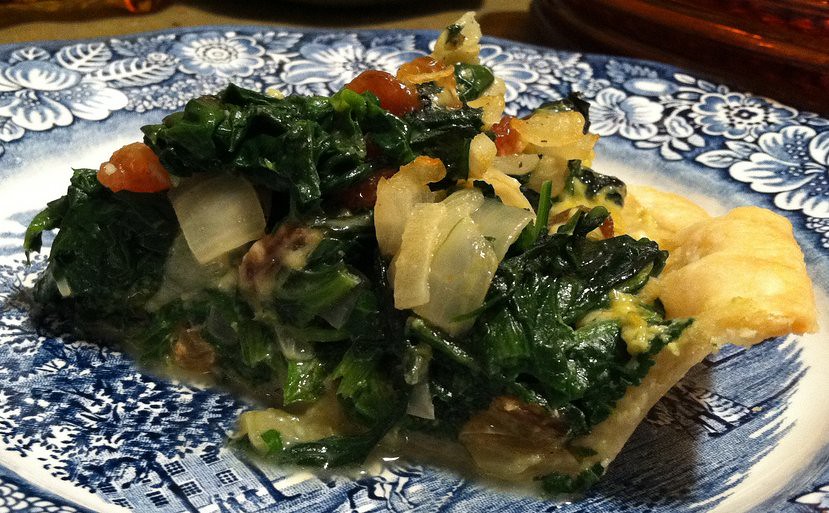
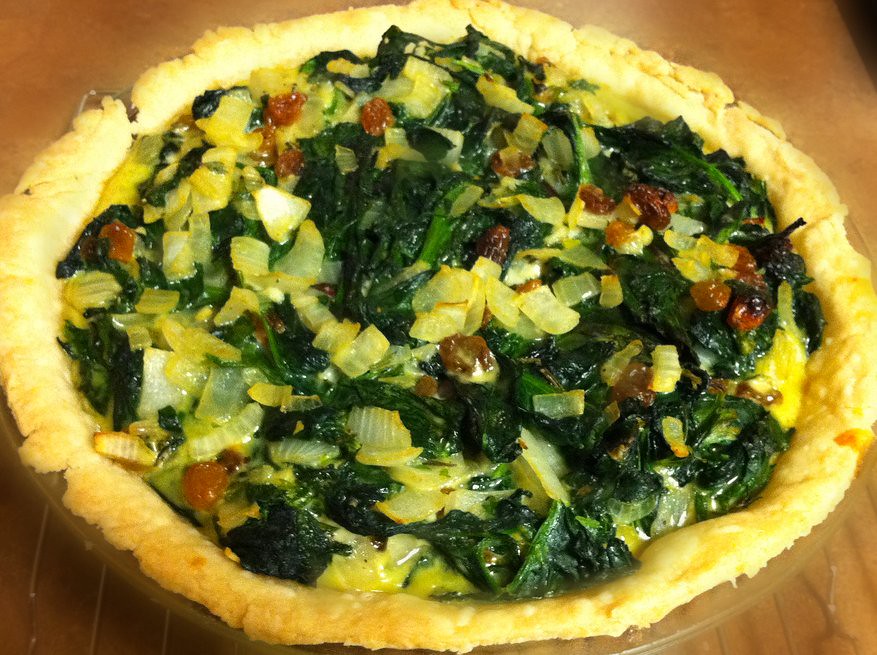
Way Back Wednesday: Renaissance Herb Tart

Herb Tart Slice

While browsing at the library, I found a book on the shelf entitled Shakespeare's Kitchen: Renaissance Recipes for the Contemporary Cook. Naturally, I picked it up and checked it out. It's a really lovely book and has a good variety of interesting recipes that are adapted from some of the earliest printed cookbooks, like Gervase Markham's The English Huswife, from 1615.

I've adapted the recipe for Herb Tart slightly; the biggest change was my switch to golden raisins from currants and adding more of them. This is a good recipe and I enjoyed eating it the first night, but the prospect of eating leftovers was rather daunting. I don't know why that happens with some recipes, but it does. I'd recommend serving this to guests so as to eliminate the chance of leftovers. ;-)

Herb Tart

Herb Tart

While we're on the subject of Shakespeare, the Wichita Shakespeare Company is performing Troilus and Cressida (if it doesn't rain, that is) at Riverside Park this Friday and College Hill Park this Saturday. This has been a tough year for the arts in Kansas. Our governor, Sam Brownback, vetoed annual funding for the Kansas Arts Commission. If you're in the area, come out and show your support for the arts in Kansas. Just because we're in the middle of nowhere doesn't mean we can't have some culture.

*****


Susan at The Well-Seasoned Cook hosts Black and White Wednesday.


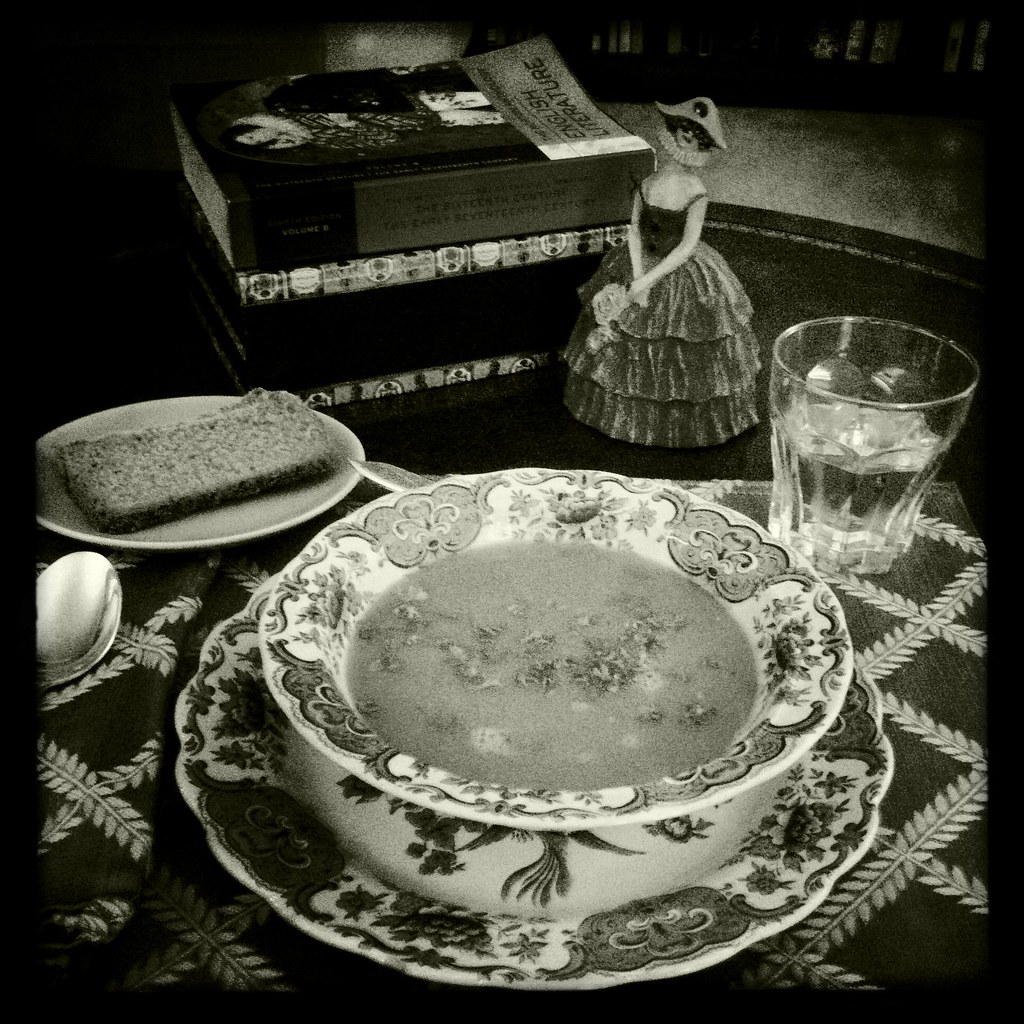
Here's a shot in black and white of Monday's Easy Peasy Soup. Both photos were taken on my iPhone using the Hipstamatic app. Monday's used Blanko "film" and the John S "lens." This photo was taken with Claunch 72 Monochrome "film" and the John S "lens." The best part of using the Hipstamatic app is that is takes real, honest-to-goodness black and white photographs. There's no color version of this exact shot that I just converted to black and white, which makes using the app more like shooting with a film camera.
Easy Peasy Soup Black & White

Wednesday, September 7, 2011

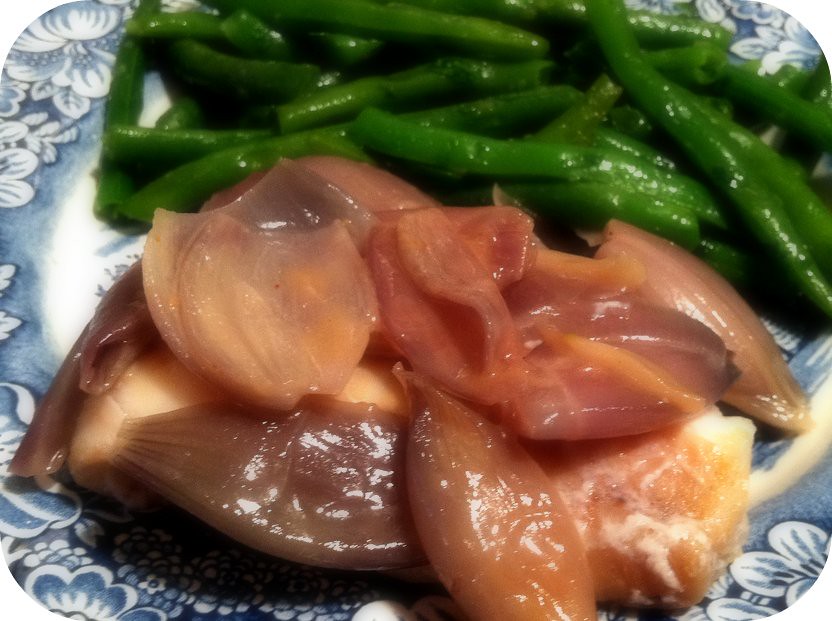
Way Back Wednesday: Hannah Woolley's Poached Fish

Hannah Woolley's Poached Fish

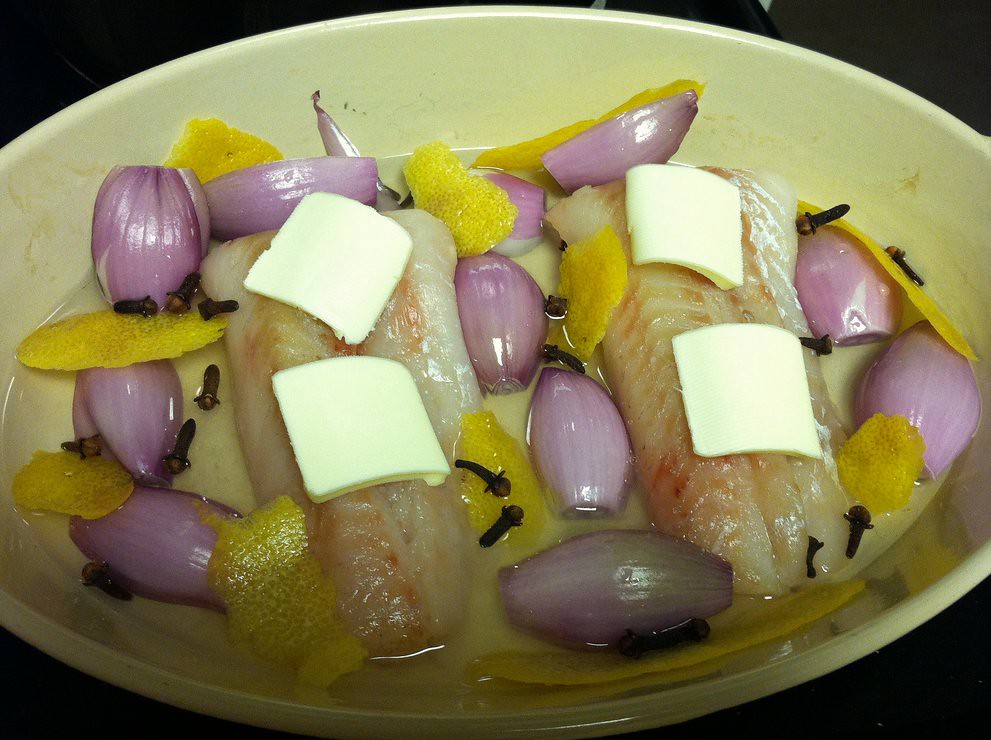
Here's another recipe I've adapted from Hannah Woolley's The Cook's Guide. I've borrowed the method from Mastering the Art of French Cooking because (a) Hannah Woolley is totally vague and (b) my kitchen is very similar to a 1961 kitchen and not at all similar to a 1664 kitchen!

The fish turned out very moist and succulent and I really enjoyed the combination of lemon, cloves and mace for the flavor. This recipe is also quick and easy. Neither of us found the shallots terribly fabulous to actually eat, but they give such flavor. You can strain them out when you strain out everything else. You can also use a cut-up onion instead. About the mace--my health-food store only had ground mace, so I added it to the sauce later, but if you can find blades of mace, add them when you add the cloves.
Hannah Woolley’s Poached Fish

Poached Fish How-to 2


Above: You'll want to make sure to use a cooking vessel that can go on the stove and in the oven.  This Le Creuset oval gratin dish works really well.

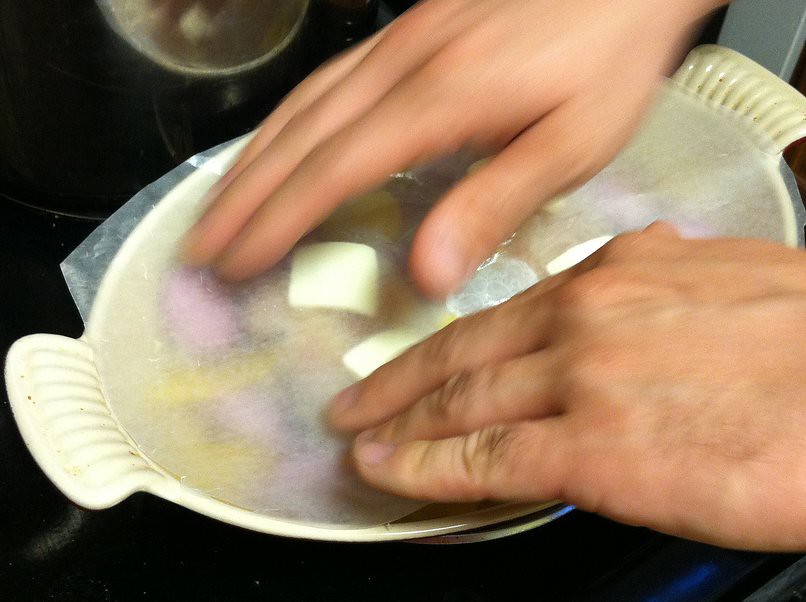
Below: My kitchen helper (Paul, of course) covers the dish with a waxed-paper cutout before putting the dish in the oven.

Poached Fish How-to 4


*****

I thought you might be interested in English household items from the time Hannah Woolley's book was published. All are from the collections of the Metropolitan Museum of Art, and if you click on the links, you'll find lots of great info from the museum's website.  Don't you just love museums?

Anthony Ficketts: Dish, 1664-65

All my embroidery projects are unfinished, too:

Unfinished Cabinet Panels, ca. 1660

Detail, magnified thirty times

Detail, magnified thirty times

Movement by Ahasuerus: Hooded Wall Clock with Calendar, ca. 1660-65
*****

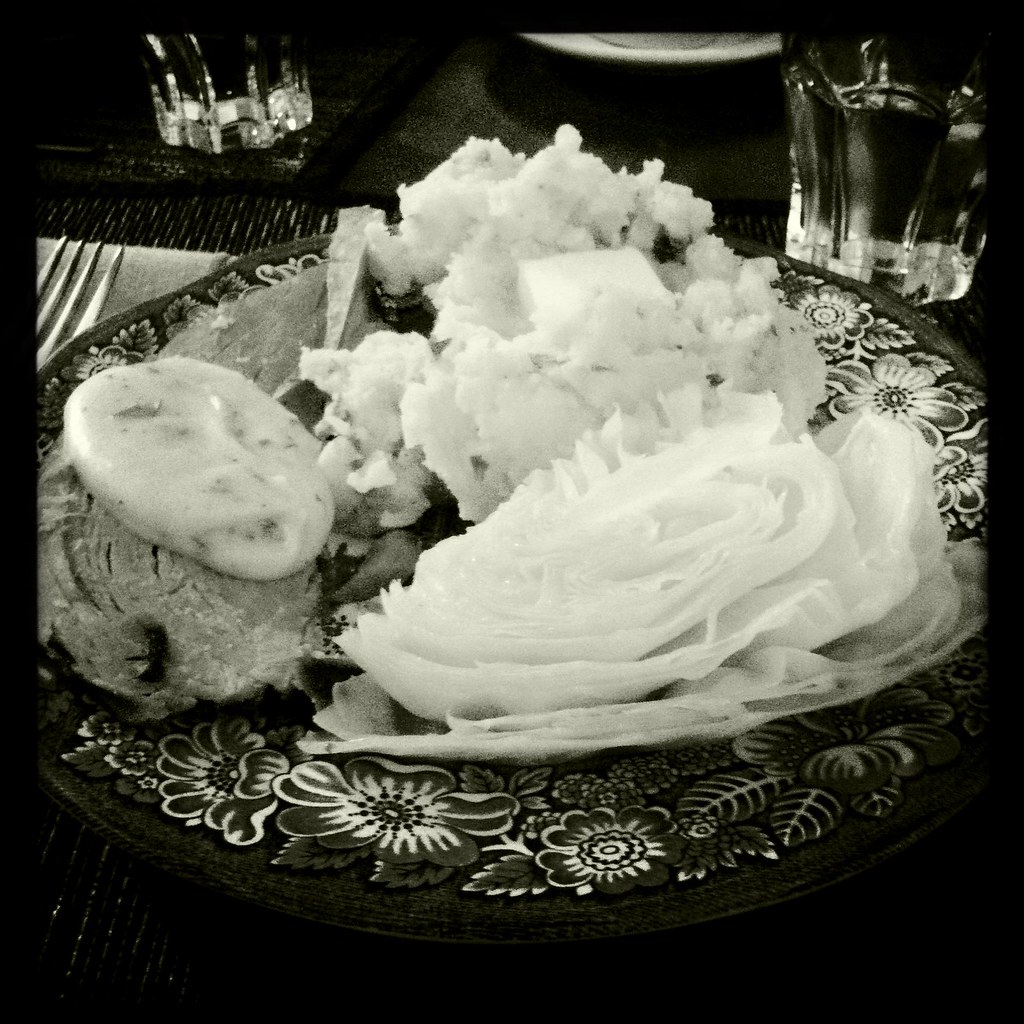
I'm always trying to work on my photography, so I like the idea of composing photos in black and white. Takes me back to my high school photography course, although I'm certain I've forgotten most of it! If anyone's interested, this was taken using the Hipstamatic app with the John S lens and Claunch 72 Monochrome film.

Susan at The Well-Seasoned Cook hosts Black and White Wednesday.


My photo is a preview of Friday's post:
Black & white Wednesday Boiled Ham

Wednesday, August 31, 2011

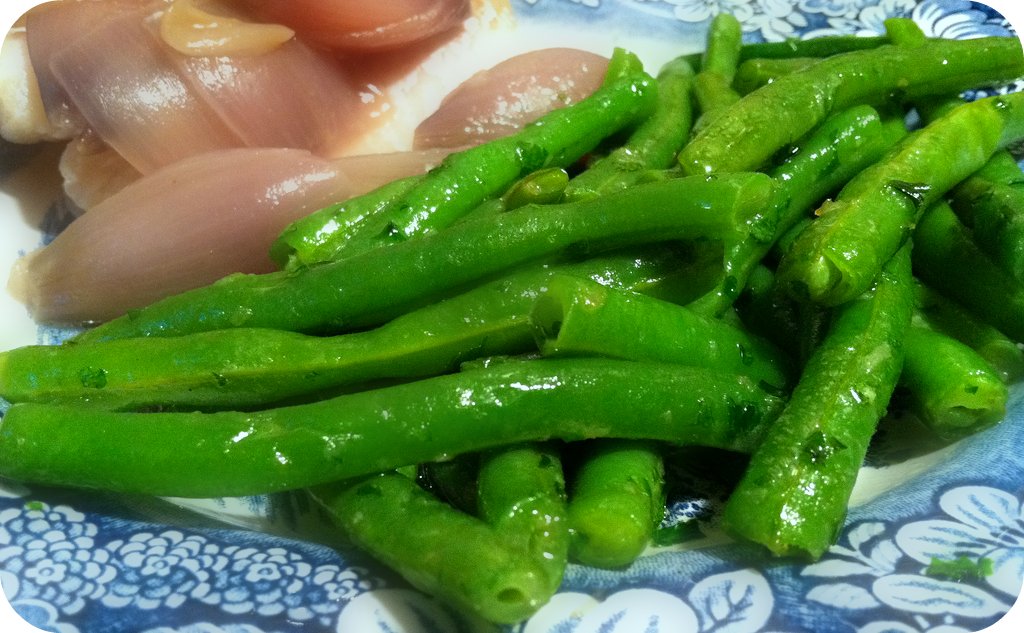
Way Back Wednesday: Hannah Woolley's Sautéed Green Beans

I don't know that this will happen each and every Wednesday, due to the planning and preparation involved, but I'd like to start trying out some older recipes--that is, recipes from the 17th and 18th centuries. I'm lucky to still have access to databases like Early English Books Online and the Eighteenth Century Collections Online, because the University of Oklahoma lets engineers keep their OU netIDs for all eternity. The rest of us have to give up our access to internet resources on graduation. I just use Paul's log-in and I can access my old history-major haunts.  I didn't have to do much digging to find the first edition of Hannah Woolley's 1664 cookery book, The Cook's Guide: or, Rare Receipts for Cookery.  

While we started beans for our fall garden, they're not ready to harvest. I did find some lovely green beans at the organic market, so I decided I would make a modern recipe for Hannah Woolley's recipe for frying "Garden-beans." During the seventeenth century, John Tradescant the Elder introduced the English to runner beans.* For the preparation, Woolley writes: "Boil them well, then blanch them and fry them with sweet butter, whole pursley, and shred onions, and melt butter for the sawce" (p. 11).

Hannah Woolley's Sautéed Green Beans

Here's my recipe:

Sautéed Green Beans

serves 2

2 tablespoons butter
1/2 shallot, grated
1 lb green beans, blanched or steamed for about 5 minutes (so they're still crisp)
1/2 cup parsley, chopped
freshly-ground sea salt

Melt the butter over medium-high heat. When the foam subsides, grate in the shallot. Stir, then throw in the green beans and the parsley. Season well with salt. Cook just long enough to coat the green beans in parsley and butter.

*****

Because the Restoration totally rocks and Sir Peter Lely is an awesome painter, here's one of his paintings of Charles II (painted sometime around 1665), who is one of my very favorite bad monarchs. He's best known today for his slew of mistresses. Besides that, he was the first monarch to allow women on the English stage (Charles II, feminist icon?) and he quite frequently performed the same kind of political acts that got his father beheaded and his brother dethroned, such as governing without Parliament for years while he secretly got funding from his cousin, Louis XIV.

from the Royal Collection

Plus he had all those little dogs.

Good King Charles II with his dogs
Rupert Everett as Charles II in Stage Beautywhich was ahistorical in the extreme, but I thought Everett made a great Charles


*Kate Colquhoun, Taste: The Story of Britain Through Its Cooking (New York: Bloomsbury, 2007), 131-132.